
People don’t just want deliveries anymore.
They want updates.
Customers now expect to know:
- Where their goods are
- When they’ll arrive
- Whether delays are happening
That shift has transformed real-time tracking from a “nice feature” into a core logistics requirement.
What Is Real-Time Tracking in Logistics?
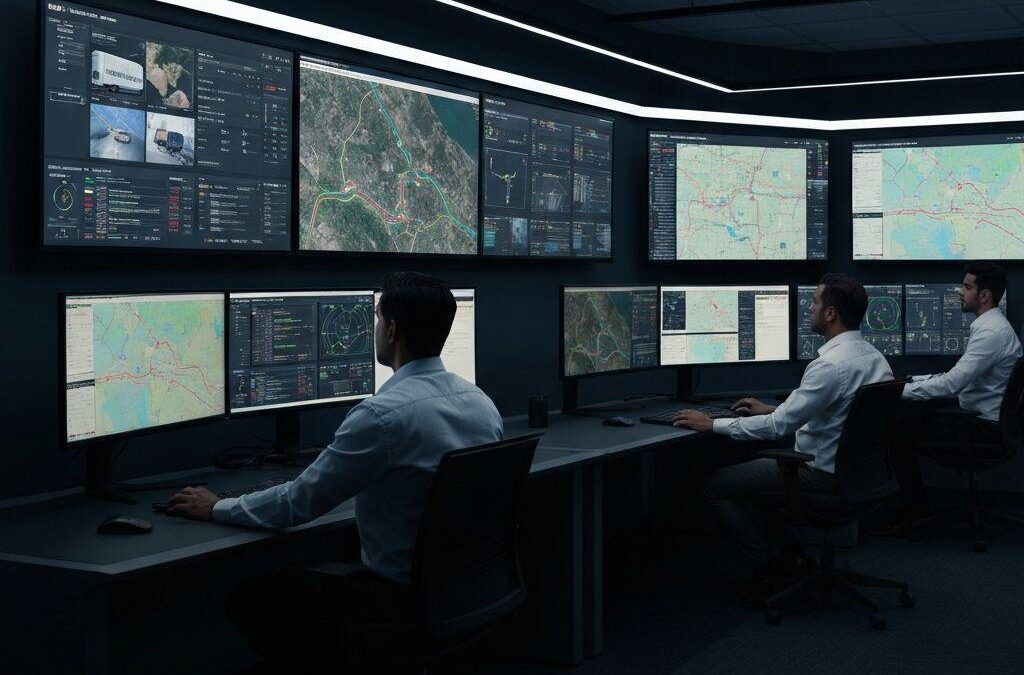
Real-time tracking uses GPS, software systems, and data visibility tools to monitor goods and vehicles throughout the delivery process.
It allows businesses and customers to track:
- Vehicle locations
- Shipment progress
- Delivery timelines
- Delays or route changes
This creates far more transparency across the supply chain.
Why Real-Time Tracking Matters
Without visibility, logistics becomes reactive.
Businesses only discover problems after delays occur. Customers become frustrated because they don’t know what’s happening.
Real-time tracking changes that by creating proactive communication and operational awareness.
The Biggest Benefits of Real-Time Tracking
Improved Customer Experience
Customers want certainty.
Tracking updates reduce frustration and improve trust because people feel informed throughout the delivery process.
Better Operational Efficiency
Real-time visibility allows logistics teams to:
- Adjust routes quickly
- Respond to delays
- Coordinate deliveries more effectively
This improves overall efficiency.
Faster Problem Resolution
When issues happen, businesses can act immediately instead of discovering problems hours later.
This reduces operational disruption.
Improved Delivery Accuracy
Real-time tracking improves coordination between warehousing, dispatch, and transport teams.
This leads to more accurate delivery windows.

Why Visibility Improves Supply Chain Performance
Visibility changes how decisions are made.
Instead of relying on assumptions, businesses can make operational decisions based on live information.
This improves:
- Route planning
- Inventory movement
- Delivery scheduling
- Customer communication
Real-Time Tracking and Fleet Management
Tracking systems also improve fleet performance.
Businesses can monitor:
- Driver routes
- Vehicle efficiency
- Delivery completion times
- Idle time and delays
This creates opportunities for operational optimisation.
The Connection Between Warehousing and Tracking
Tracking doesn’t start once the truck leaves.
It begins in the warehouse.
Efficient dispatch processes ensure:
- Goods are loaded correctly
- Deliveries leave on time
- Shipment information is accurate from the start
This is why integrated logistics systems matter.
How Overnight Logistics Supports Better Visibility
Working with Overnight Logistics helps businesses improve coordination between warehousing, distribution, and transport operations.
This integrated approach creates:
- Better delivery flow
- More predictable dispatch schedules
- Improved supply chain visibility
When logistics operations are coordinated properly, tracking becomes more accurate and useful.
Why Real-Time Tracking Is Becoming Standard
Customer expectations continue to rise.
Businesses that fail to provide visibility risk:
- Customer frustration
- Poor communication
- Lower trust levels
Meanwhile, businesses that embrace visibility build stronger customer relationships and improve operational efficiency.
Common Challenges Without Tracking
Without proper tracking systems:
- Delays go unnoticed
- Customers become frustrated
- Delivery planning becomes reactive
- Operational inefficiencies increase
Visibility solves many of these issues before they escalate.
The Future of Logistics Visibility
Real-time tracking is only becoming more advanced.
Modern logistics systems are increasingly using:
- GPS integration
- Predictive analytics
- Automated notifications
- AI-driven route optimisation
This technology is reshaping how supply chains operate.
Final Thought
Real-time tracking is changing logistics because visibility changes everything.
When businesses know where goods are, what’s happening, and how deliveries are progressing, they operate more efficiently and serve customers better.
FAQs
What is real-time tracking in logistics?
It’s the use of GPS and tracking systems to monitor deliveries and vehicles throughout the logistics process.
Why is shipment tracking important?
It improves visibility, customer communication, and operational efficiency.
Does real-time tracking reduce delays?
It helps logistics teams respond faster to issues and optimise delivery routes.
Can customers track deliveries in real time?
Yes. Many logistics systems now provide live updates and estimated delivery times.
How does tracking improve logistics efficiency?
It improves visibility, coordination, and decision-making across the supply chain.