
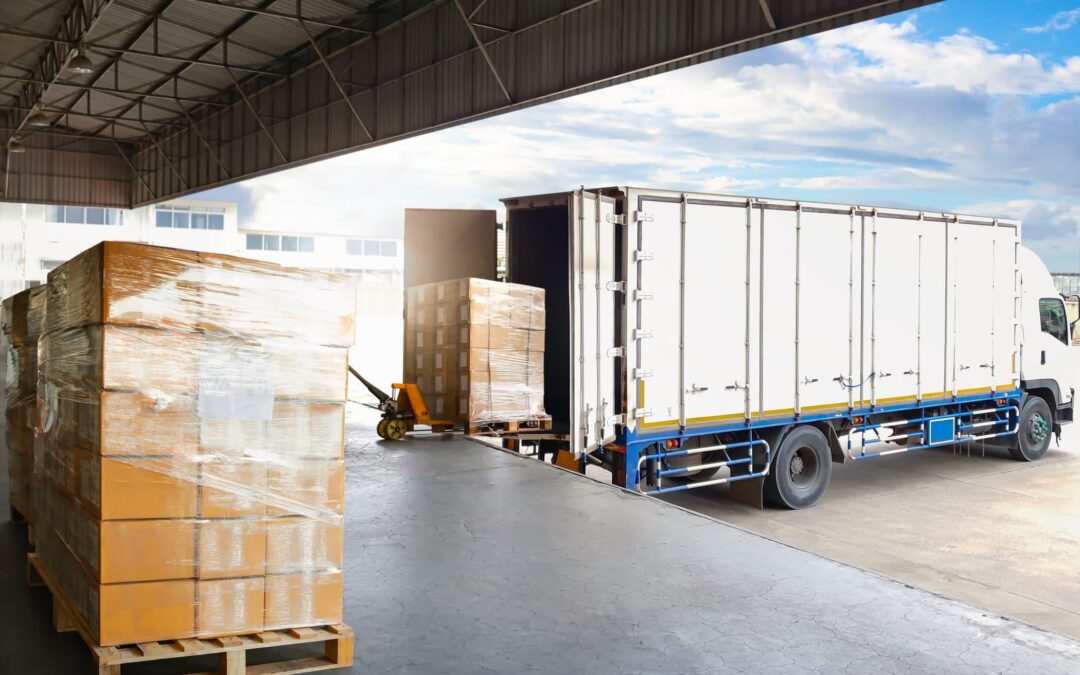
Transport costs continue to rise, customer expectations continue to grow, and businesses are constantly looking for ways to make their supply chains more efficient.
One solution that is becoming increasingly popular is freight consolidation.
While many businesses immediately think about negotiating lower transport rates, the biggest savings often come from shipping smarter rather than shipping cheaper.
Freight consolidation helps businesses maximise vehicle capacity, reduce unnecessary trips, lower transport costs, and improve overall supply chain efficiency.
Whether you’re distributing products across South Africa or moving stock between regional locations, understanding freight consolidation can help you make better logistics decisions.
What Is Freight Consolidation?
Freight consolidation is the process of combining multiple smaller shipments into one larger shipment before transport.
Instead of several vehicles carrying partially filled loads, shipments heading in the same direction are grouped together.
Once they reach a regional hub or distribution point, they are separated and delivered to their final destinations.
This creates a far more efficient transport network.
Why Businesses Are Choosing Freight Consolidation
One of the biggest challenges facing businesses today is transport cost.
Fuel prices fluctuate.
Vehicle maintenance continues to increase.
Driver costs rise every year.
Freight consolidation helps reduce these costs by making better use of available vehicle space.
Rather than paying for unused capacity, businesses share transport resources more efficiently.
The Benefits of Freight Consolidation
Lower Transport Costs
One of the most obvious advantages is cost savings.
By consolidating freight, businesses can reduce the number of trips required, improving vehicle utilisation and lowering overall transport expenses.
Better Vehicle Utilisation
Half-empty trucks cost almost as much to operate as full ones.
Freight consolidation ensures vehicles are loaded more efficiently, helping businesses get more value from every journey.
Reduced Carbon Emissions
Fewer vehicles on the road mean:
- Lower fuel consumption
- Reduced emissions
- Smaller environmental impact
For businesses with sustainability goals, freight consolidation supports greener logistics operations.
Improved Delivery Planning
When shipments are grouped strategically, delivery schedules become easier to manage.
Businesses gain more predictable delivery windows and improved operational planning.
Reduced Traffic Congestion
Consolidated freight contributes to fewer vehicles on the road, reducing congestion and supporting more efficient transport networks.
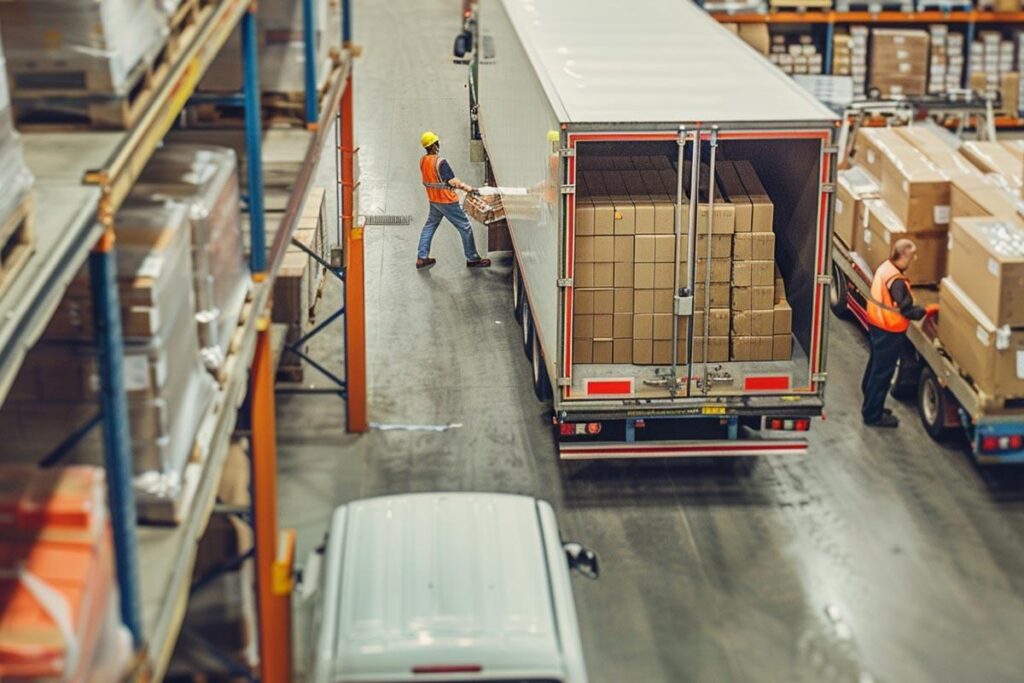
When Freight Consolidation Makes Sense
Freight consolidation is ideal when businesses:
- Ship smaller loads regularly
- Deliver to multiple locations
- Want to reduce transport costs
- Need reliable regional distribution
- Operate across multiple provinces
Challenges of Freight Consolidation
Like any logistics strategy, freight consolidation requires careful planning.
Challenges include:
- Coordinating multiple suppliers
- Managing delivery schedules
- Accurate freight labelling
- Warehouse coordination
Working with an experienced logistics provider ensures these challenges are managed effectively.
How Overnight Logistics Supports Efficient Freight Movement
Overnight Logistics helps businesses improve transport efficiency through integrated logistics solutions that combine warehousing, freight handling, and distribution planning.
By coordinating freight movements effectively, businesses benefit from:
- Better vehicle utilisation
- Lower transport costs
- Reliable delivery schedules
- Streamlined supply chain operations
FAQs
What is freight consolidation?
Freight consolidation combines multiple smaller shipments into one larger shipment to improve transport efficiency and reduce costs.
Who benefits from freight consolidation?
Businesses that regularly ship smaller loads, distribute nationally, or want to reduce transport costs.
Does freight consolidation delay deliveries?
Not when managed correctly. In many cases, it improves scheduling and delivery reliability.
Can freight consolidation reduce shipping costs?
Yes. Sharing vehicle capacity lowers transport expenses and improves operational efficiency.
Is freight consolidation environmentally friendly?
Yes. Fewer transport movements reduce fuel consumption and carbon emissions.
Conclusion
Freight consolidation isn’t simply about filling trucks.
It’s about building a smarter logistics strategy that improves efficiency, lowers costs, and supports sustainable growth.
As transport costs continue to rise, businesses that embrace freight consolidation will be better positioned to remain competitive.