
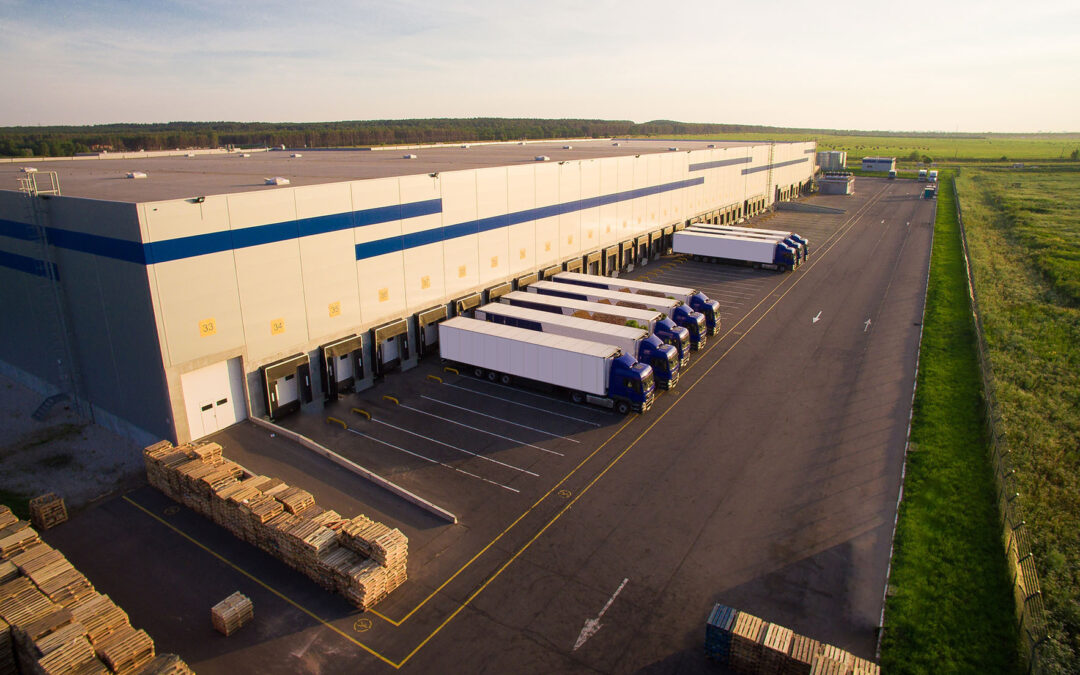
Why Choosing the Right Logistics Company Matters
For many businesses, logistics is the invisible engine that keeps operations running. Customers rarely notice it when everything works, but they immediately feel the impact when something goes wrong.
Late deliveries, stock shortages, and damaged goods can disrupt operations and damage customer relationships. Choosing the right logistics partner therefore becomes a strategic decision rather than just an operational one.
A reliable logistics company ensures goods move smoothly from suppliers to warehouses and from warehouses to customers.
Look for Integrated Warehousing and Distribution
One of the most important considerations when selecting a logistics provider is whether they offer both warehousing and distribution.
When these services are handled by separate providers, delays and communication gaps can occur. A logistics company that manages both functions can coordinate inventory and transport more effectively.
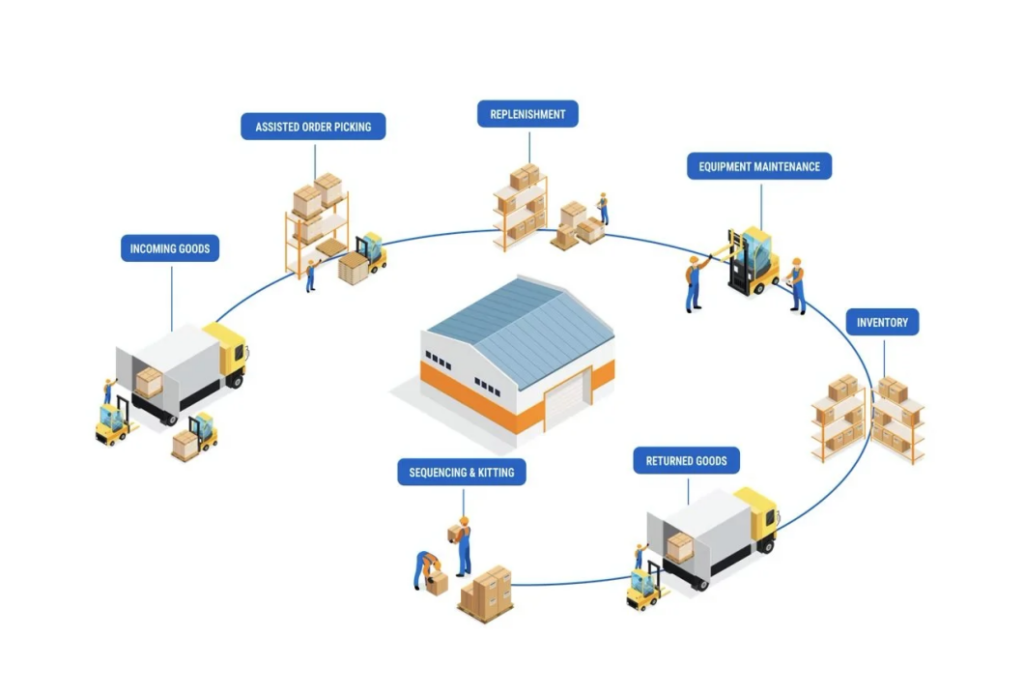
Integrated logistics services typically include:
- Receiving and storing goods
- Inventory management
- Order picking and packing
- Dispatch and distribution
This integrated approach reduces operational friction and improves overall supply chain efficiency.
Inventory Accuracy Is Essential
Inventory accuracy is critical for businesses that rely on reliable product availability.
A professional logistics company maintains structured warehouse processes to ensure goods are correctly received, stored, and tracked. Accurate inventory management allows businesses to forecast demand, plan replenishment, and avoid costly stock discrepancies.
Reliable logistics partners implement disciplined systems that ensure stock is visible and traceable throughout the supply chain.
Scalability Supports Business Growth
As businesses grow, logistics requirements become more complex.
An effective logistics partner should have the infrastructure to scale with your business. This includes the ability to handle increased volumes, additional products, and expanded distribution areas without compromising service quality.
Scalable logistics solutions allow companies to grow without constantly restructuring their operational systems.
Reliable Distribution Protects Your Reputation
Distribution reliability is often the most visible part of logistics.
Customers expect deliveries to arrive on time and in good condition. Logistics companies with strong operational processes coordinate warehouse dispatch schedules with transport planning to maintain consistent delivery performance.
This reliability supports stronger customer relationships and improves overall business credibility.
Why Businesses Work with Experienced Logistics Providers
Partnering with an experienced provider such as Overnight Logistics allows businesses to streamline their supply chain operations.
Rather than managing warehouses, transport, and inventory internally, businesses can rely on a partner with the systems and infrastructure required to manage logistics efficiently.
This enables companies to focus on growth and customer service while their logistics operations run smoothly behind the scenes.
Frequently Asked Questions
What does a logistics company do?
A logistics company manages the storage, handling, and transportation of goods. This often includes warehousing, inventory management, order fulfilment, and distribution services.
What is third-party logistics?
Third-party logistics (3PL) refers to outsourcing logistics functions such as warehousing, inventory handling, and distribution to a specialised logistics provider.
Why should businesses outsource logistics?
Outsourcing logistics allows businesses to reduce operational complexity and benefit from professional logistics infrastructure and expertise.
How do logistics companies improve efficiency?
Logistics companies improve efficiency by coordinating warehousing, inventory management, and distribution through structured systems and experienced logistics teams.
What should businesses look for in a logistics partner?
Businesses should look for integrated warehousing and distribution services, strong inventory management, reliable transport capabilities, and scalable logistics infrastructure.