

Why More Businesses Are Outsourcing Logistics
Managing logistics internally can quickly become complicated.
Warehousing requires physical space, systems for tracking stock, trained staff, and ongoing operational management. Distribution requires transport coordination, route planning, and scheduling.
As businesses expand, these functions become more difficult and expensive to manage internally. This is why many companies turn to third-party logistics providers.
Outsourcing logistics allows businesses to use professional infrastructure without having to manage the operational complexity themselves.
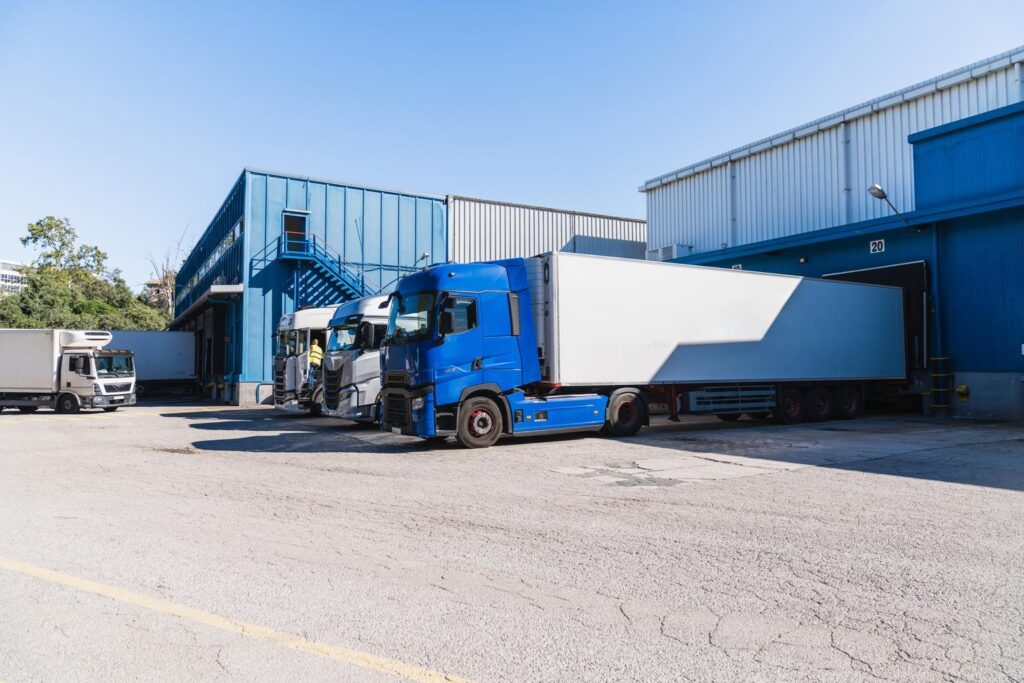
Lower Operational Costs
Running a warehouse and distribution network internally involves substantial investment.
Businesses must consider:
- Warehouse facilities
- Storage systems and equipment
- Staffing and operational management
- Distribution coordination
Outsourcing logistics converts these fixed operational costs into flexible service-based expenses.
Access to Logistics Expertise
Professional logistics providers specialise in managing supply chains efficiently.
They understand warehouse layout optimisation, inventory management processes, and distribution planning. This experience allows them to operate logistics systems more efficiently than many businesses could internally.
Working with a specialist provider helps reduce errors and improve operational efficiency.
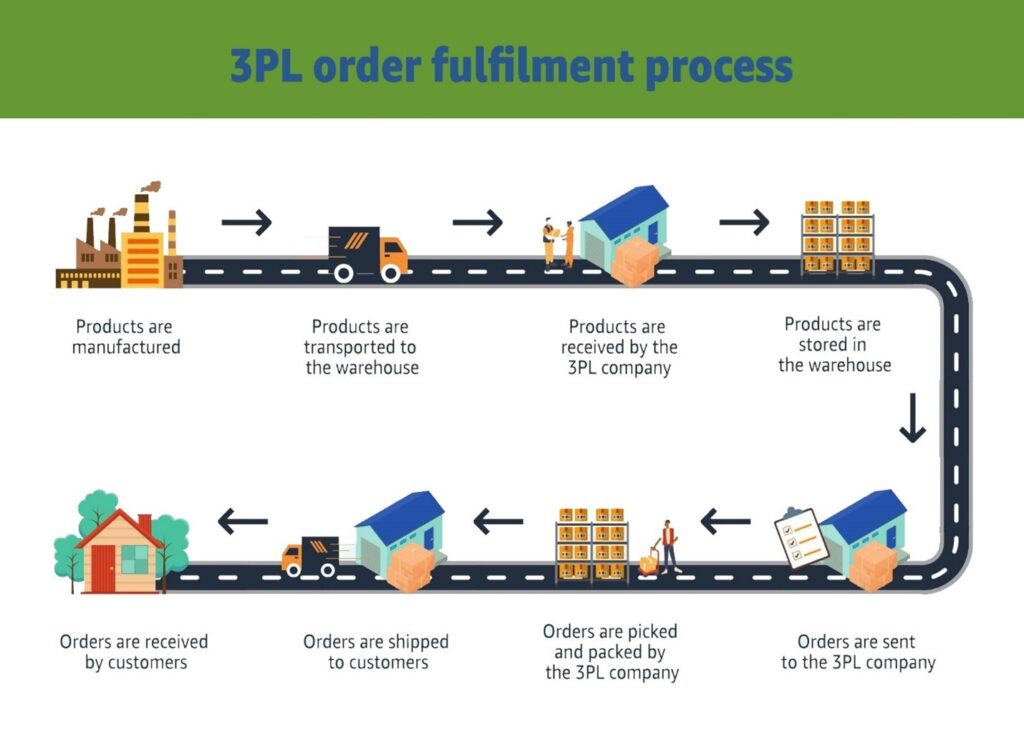
Faster Order Fulfilment
Speed is one of the biggest advantages of outsourcing logistics.
Warehouses designed specifically for logistics operations use organised storage systems and structured picking processes that allow orders to be processed quickly.
This ensures goods move efficiently from storage to dispatch.
Scalable Logistics Infrastructure
Demand rarely remains constant.
Seasonal demand spikes, product launches, and promotional campaigns can dramatically increase order volumes. Third-party logistics providers have infrastructure designed to scale with demand.
Businesses can increase logistics capacity when needed without investing in additional infrastructure themselves.
Integrated Warehousing and Distribution
One of the advantages of working with Overnight Logistics is the integration between warehousing and distribution services.
Because these functions operate together, businesses benefit from:
- Coordinated warehouse dispatch schedules
- Reduced delays between storage and transport
- Improved supply chain visibility
This integrated logistics approach ensures goods move efficiently from warehouse to final destination.
What is third-party logistics?
Third-party logistics (3PL) refers to outsourcing logistics functions such as warehousing, inventory management, and distribution to a specialised provider.
Why do businesses outsource warehousing?
Businesses outsource warehousing to reduce operational costs, improve efficiency, and access professional logistics infrastructure.
Is third-party logistics suitable for small businesses?
Yes. Outsourcing logistics allows small and growing businesses to benefit from professional warehousing and distribution services without investing in their own facilities.
How does outsourcing logistics improve efficiency?
Logistics providers use specialised infrastructure, systems, and expertise to manage inventory and distribution more efficiently.
Can logistics services scale with business growth?
Yes. Third-party logistics providers can expand warehouse space, handling capacity, and distribution services as business demand increases.