
Not every product can sit in a warehouse for hours.
Not every delivery can survive a temperature fluctuation.
For industries dealing with food, pharmaceuticals, beverages, or temperature-sensitive products, logistics is not just about speed. It’s about protection.
That’s why cold chain logistics has become one of the most important parts of modern supply chain management.
When temperature control fails, products spoil, compliance risks increase, and businesses lose money fast.
What Is Cold Chain Logistics?
Cold chain logistics refers to the transportation and storage of goods within a controlled temperature range.
This includes:
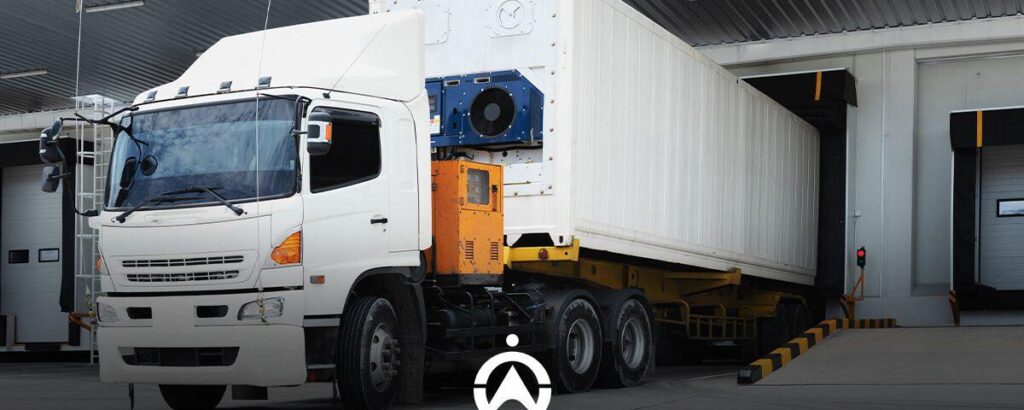
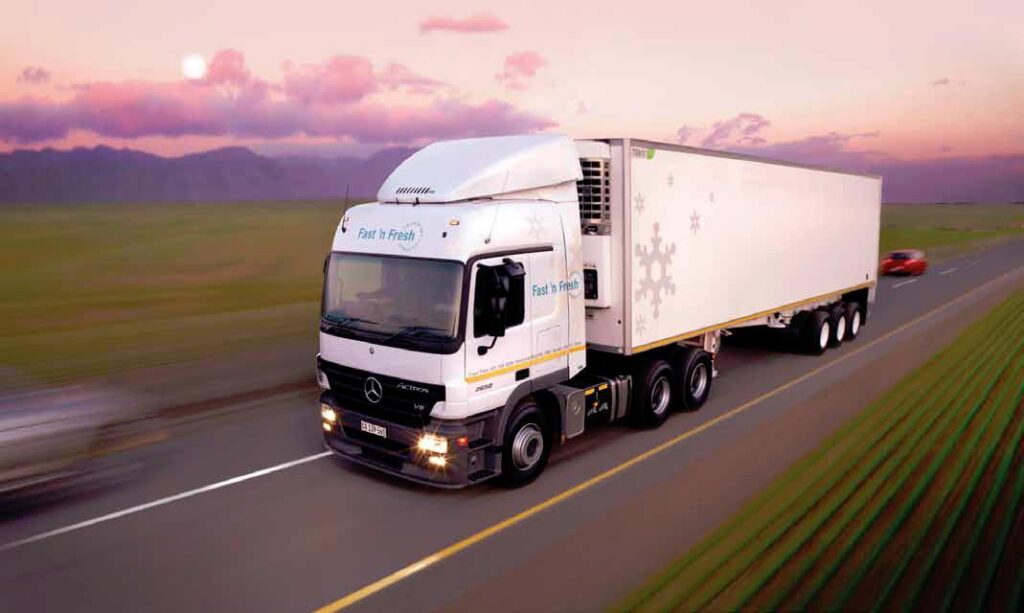
- Refrigerated transport
- Temperature-controlled warehousing
- Chilled and frozen storage
- Monitoring systems that maintain product integrity during transit
The goal is simple: keep products within safe temperature limits from origin to destination.
Why Cold Chain Logistics Is Growing So Rapidly
Consumer expectations have changed dramatically.
People expect:
- Fresher food
- Faster deliveries
- Reliable pharmaceutical supply chains
- Better product quality overall
At the same time, regulations around food safety and pharmaceutical handling have become stricter.
This means businesses can no longer treat temperature-sensitive logistics as an afterthought.
The Biggest Risks in Cold Chain Logistics
Cold chain logistics comes with unique challenges.
Temperature Fluctuations
Even small changes in temperature can compromise products.
For example:
- Frozen goods can thaw
- Pharmaceuticals can become ineffective
- Fresh produce can spoil prematurely
Maintaining consistency is critical.
Delivery Delays
Time matters in temperature-controlled logistics.
The longer goods remain in transit, the higher the risk of spoilage or quality deterioration.
This is why route planning and efficient distribution play such a major role.
Poor Visibility
Without proper monitoring, businesses may not realise there’s a problem until products arrive damaged.
Real-time visibility helps businesses respond quickly before small issues become major losses.
Why Temperature Control Is About More Than Refrigeration
A lot of people assume cold chain logistics simply means “put it in a cold truck”.
It’s far more complex than that.
Effective cold chain logistics requires:
- Coordinated transport schedules
- Proper handling procedures
- Temperature monitoring systems
- Controlled loading and unloading processes
Every stage of the journey matters.
The Financial Impact of Poor Cold Chain Management
Temperature-related losses can become extremely expensive.
Poor cold chain management can lead to:
- Product spoilage
- Customer complaints
- Failed compliance audits
- Lost revenue
- Reputational damage
In industries like pharmaceuticals or food supply, these risks are significant.
How Efficient Logistics Protects Product Quality
Strong cold chain logistics protects both the product and the brand behind it.
When logistics systems operate efficiently:
- Deliveries arrive on time
- Products maintain their integrity
- Customers trust the consistency of service
This reliability becomes a competitive advantage.
The Role of Warehousing in Cold Chain Logistics
Cold chain success doesn’t start on the road.
It starts in the warehouse.
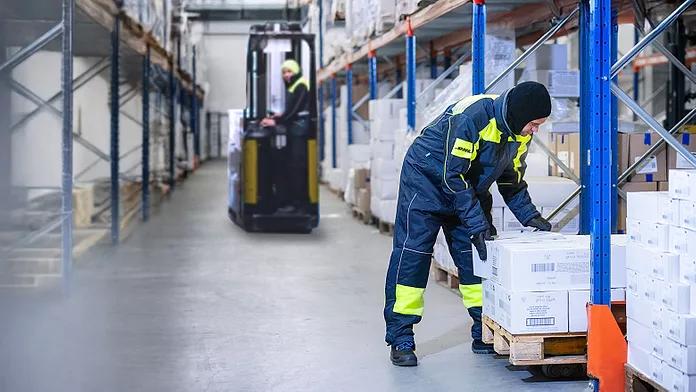
Temperature-controlled warehousing ensures goods remain stable before dispatch. Efficient warehouse handling also reduces the amount of time products spend exposed during loading and unloading.
This is where integrated logistics becomes essential.
How Overnight Logistics Supports Efficient Supply Chains
Working with Overnight Logistics gives businesses access to structured logistics solutions designed around reliability, coordination, and efficient distribution.
By integrating warehousing, transport, and distribution planning, Overnight Logistics helps businesses reduce delays and maintain smoother supply chain operations.
This level of coordination is especially important when dealing with time-sensitive or high-value goods.
Why Businesses Are Prioritising Smarter Logistics
More businesses are realising that logistics directly impacts customer experience.
It’s no longer enough to simply “deliver eventually”. Customers expect:
- Speed
- Consistency
- Reliability
- Product quality upon arrival
Cold chain logistics is one example of how modern logistics systems are evolving to meet these expectations.
Technology Is Changing Cold Chain Logistics
Modern logistics systems now use:
- Real-time tracking
- Temperature monitoring sensors
- Route optimisation tools
- Automated warehouse systems
These technologies reduce human error and improve visibility across the supply chain.
Common Industries That Depend on Cold Chain Logistics
Cold chain logistics is essential for:
- Food and beverage companies
- Pharmaceutical suppliers
- Healthcare providers
- Agricultural producers
- Retail distribution networks
As consumer demand grows, these industries rely increasingly on logistics providers that can maintain consistency and efficiency.
Final Thought
Cold chain logistics is no longer a specialised niche.
It’s a critical part of modern supply chains.
As customer expectations rise and industries become more time-sensitive, businesses need logistics systems that protect product quality from start to finish.
FAQs
What is cold chain logistics?
Cold chain logistics refers to the storage and transportation of temperature-sensitive goods within controlled temperature ranges.
Why is cold chain logistics important?
It protects products from spoilage, damage, and quality deterioration during storage and transport.
What products require cold chain logistics?
Food, beverages, pharmaceuticals, healthcare products, and certain chemicals often require temperature-controlled logistics.
What happens if the cold chain breaks?
Products may spoil, lose effectiveness, or fail compliance requirements.
How can businesses improve cold chain efficiency?
By working with experienced logistics providers, improving visibility, and integrating warehousing with transport planning.